
For months I could not decide whether gorilla trekking is worth the money. The permit is 1,500 dollars for one hour with the mountain gorillas, and I am not a wealthy traveller. Ever since I started in 2015 I have paid for my trips myself, and some of that was probably student loan. In the days before I left for Rwanda I kept opening the booking page and closing it again.
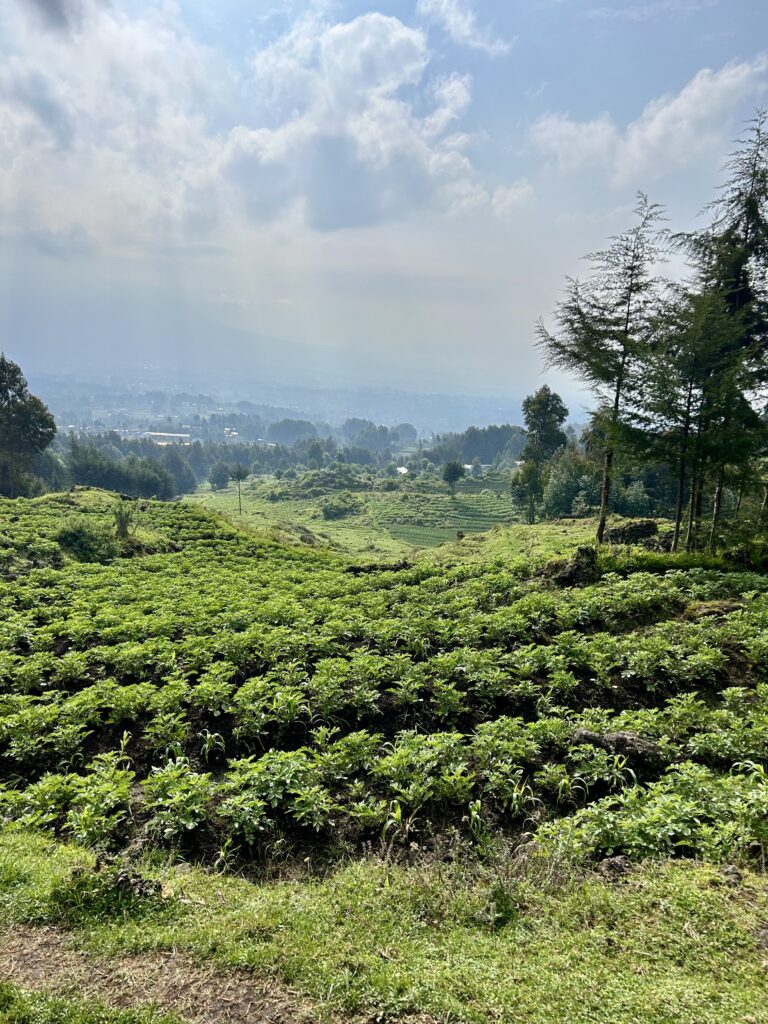
There was another thing holding me back besides the price. I had torn the ligaments in my ankle earlier that year. By June I had declared myself cleared to walk, though I had not done a single hike since. A muddy climb up a volcano in Rwanda to find a gorilla family was either a terrible idea for a first hike back or exactly the right one. I decided it was the right one, booked, and flew out. Then the morning came, I had barely slept, I woke up nauseous, and I lay there wondering what I had signed myself up for.
The comeback nobody puts on a permit
Here is the thing worth knowing before you weigh the money. The mountain gorilla is the only great ape on earth whose numbers are going up. There are around 1,063 of them left, all of them in one small chain of volcanoes and forest shared by Rwanda, Uganda and the Democratic Republic of Congo. In the 1980s the count was closer to 250 and falling. They were listed as critically endangered. In 2018 they were moved back to endangered, which does not sound like good news until you realise it is the only direction on that scale anyone ever wants to move.
Rwanda protects its share of them in Volcanoes National Park, about 350 gorillas in roughly 12 habituated families that trekkers are allowed to visit, one family per group, one hour per day. The park is where Dian Fossey built her Karisoke research station and spent her life on these animals until she was killed here in 1986. That 1,500 dollars I worried over pays the rangers who walk in ahead of you every morning, the trackers who find the family at first light, and a cut goes to the villages around the park boundary. It is the reason the number keeps climbing instead of falling. Once I understood that, the price stopped feeling like a ticket and started feeling like the actual point. That did not make 1,500 dollars any easier to hand over. It just made it easier to live with.
The walk up
Once I braved the morning grogginess, I joined the drive up to the meeting point. Plenty of other cars full of trekkers were making the same trip. When I arrived there was a confusing shuffle, and then I was sorted into a group. Apparently they judge your fitness and match you with people at a similar level. I was travelling solo, got put in with six kind Canadians and our guides, and I felt ready.
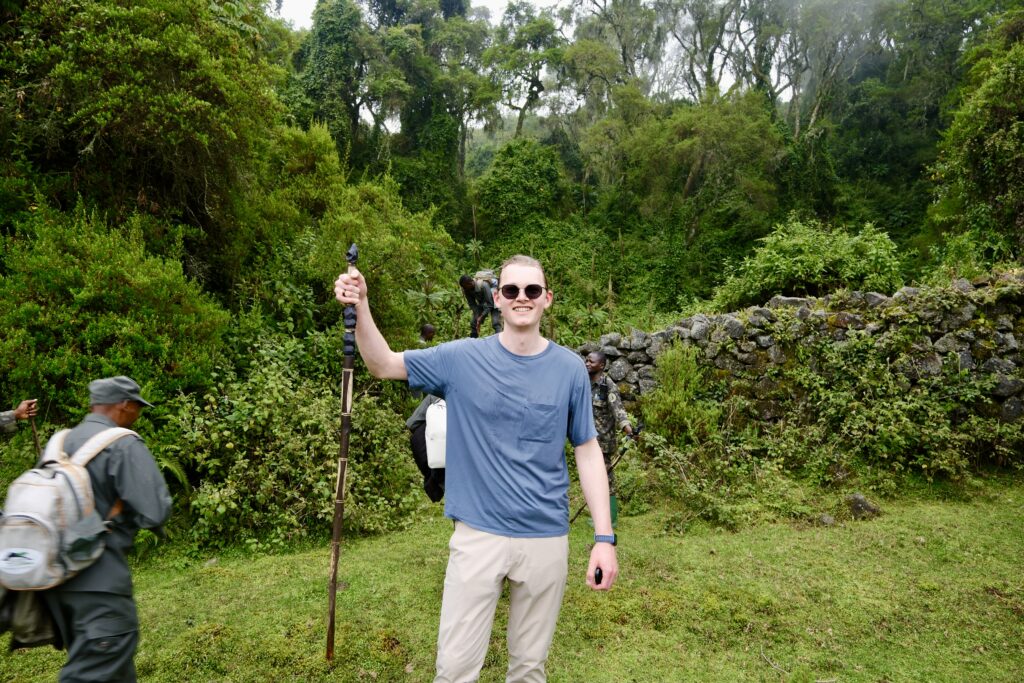
We passed a few villagers on the lower slopes and all of them were super friendly. I will admit I spent part of the walk quietly scanning faces for one man in particular. Somewhere in this park works Marc Bizagwira, the porter the internet knew as the “Okay Guy,” the grinning Rwandan man from that six second clip that got watched tens of millions of times. I asked the guides about him. He is real, he still works here, and when he is not carrying gear up the volcano he cuts hair in his own village. But no, we did not run into him.
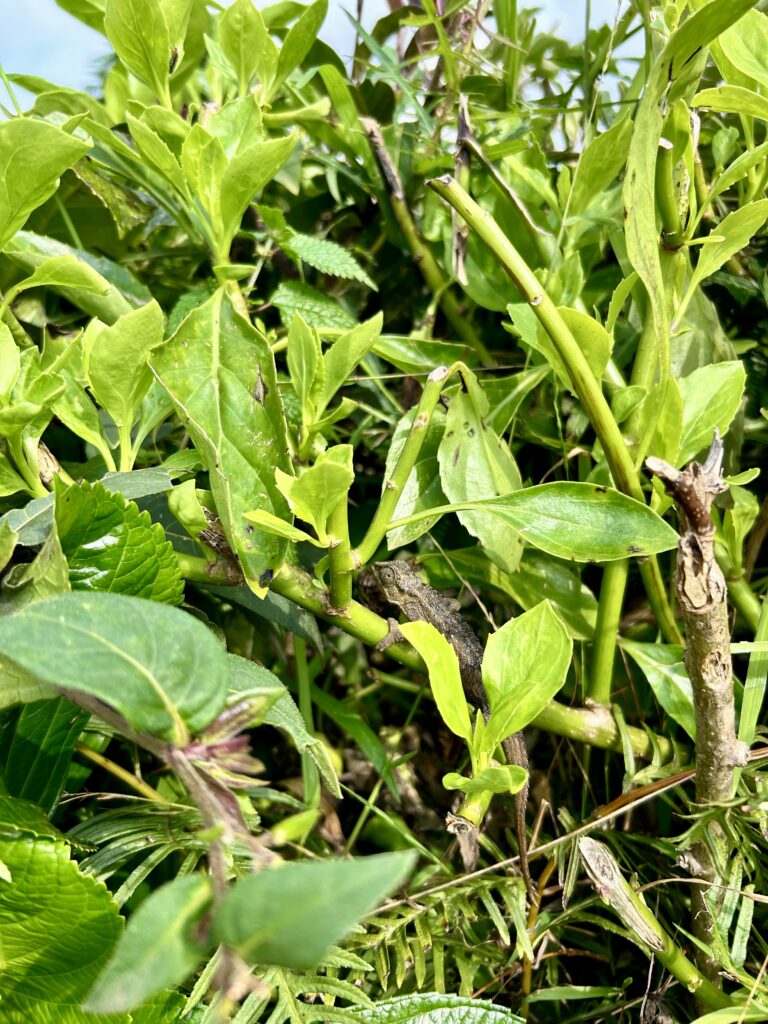
What we did find, were chameleons. Small ones, moving slow along the branches, and I could have watched them for an hour. Higher up we passed golden monkeys, the park’s other famous residents, and the views opened out over the volcanoes. To this point it was simply a beautiful hike.
The stone wall
Then the forest changed. We came up against a stone wall, and behind it what I can only describe as a wall of bush, green so dense we could barely see through it. The guides helped us over the stone, and boom, we were in dense jungle.
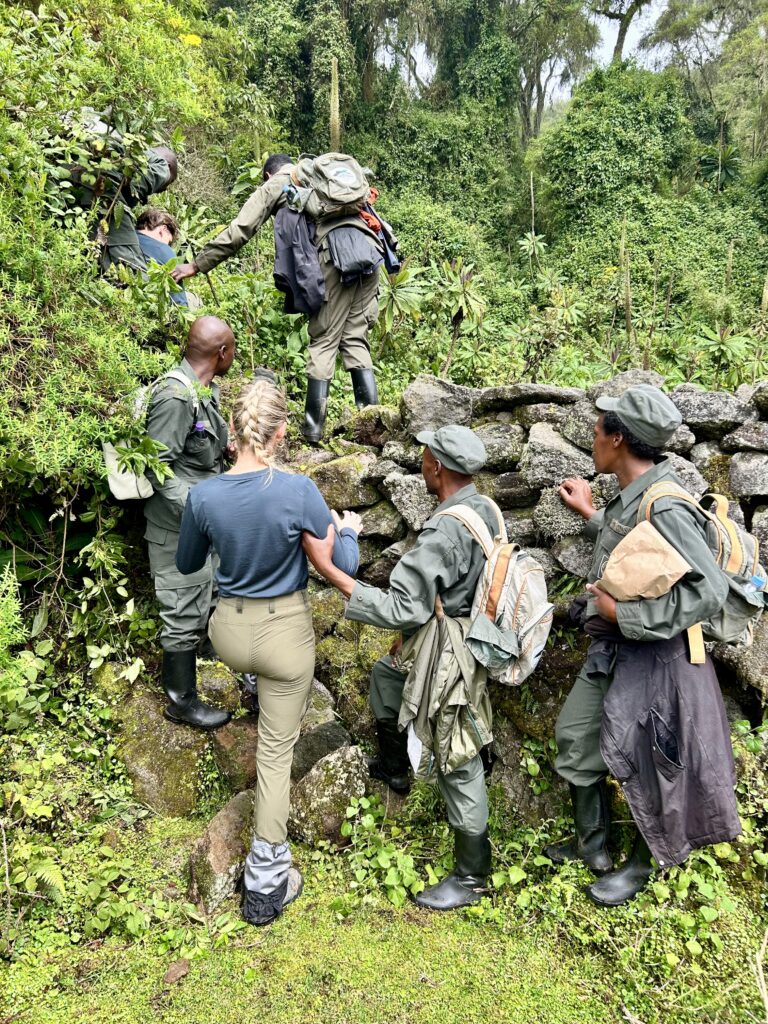
The guide looked at it, said we were going in, and out came the machetes. That is where the walk stopped being a walk. We cut our way forward, getting more exciting every step, through mud, flies and vines, deeper into the green.
The family
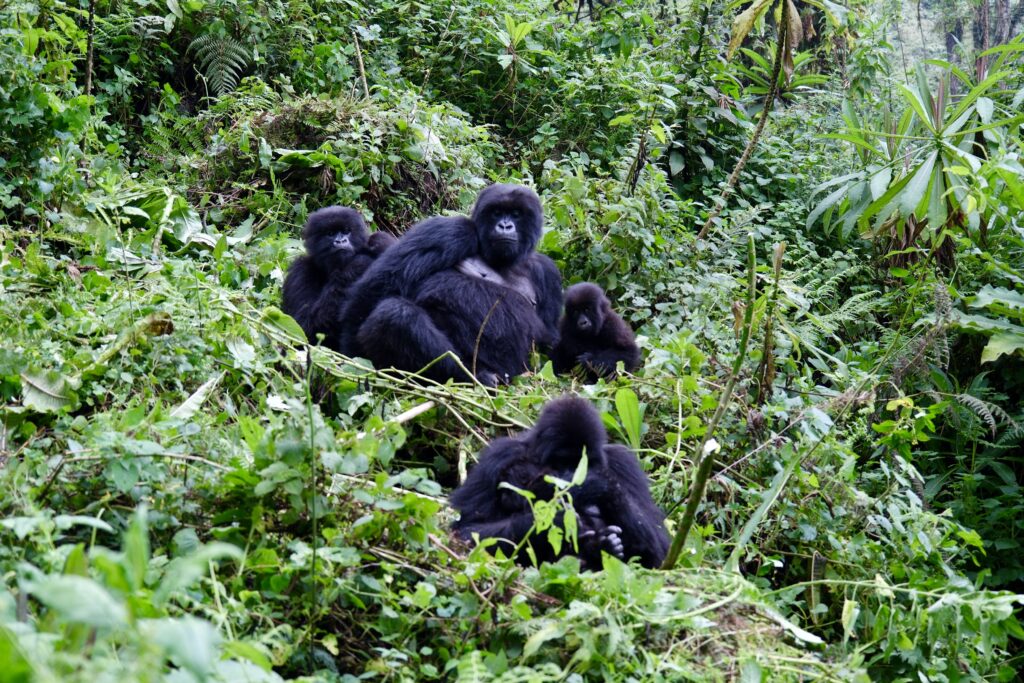
And then there they were. A whole gorilla family, sitting around in the jungle as if we were the ones who had wandered into their living room. Seeing them this close does something to you. I felt small and a little exposed and completely in awe of these majestic beasts. They gave us a look I can only read as “what are you doing here,” and then went back to their afternoon and let us sit and watch. Up there we went quiet at the same time, and nobody said a word.
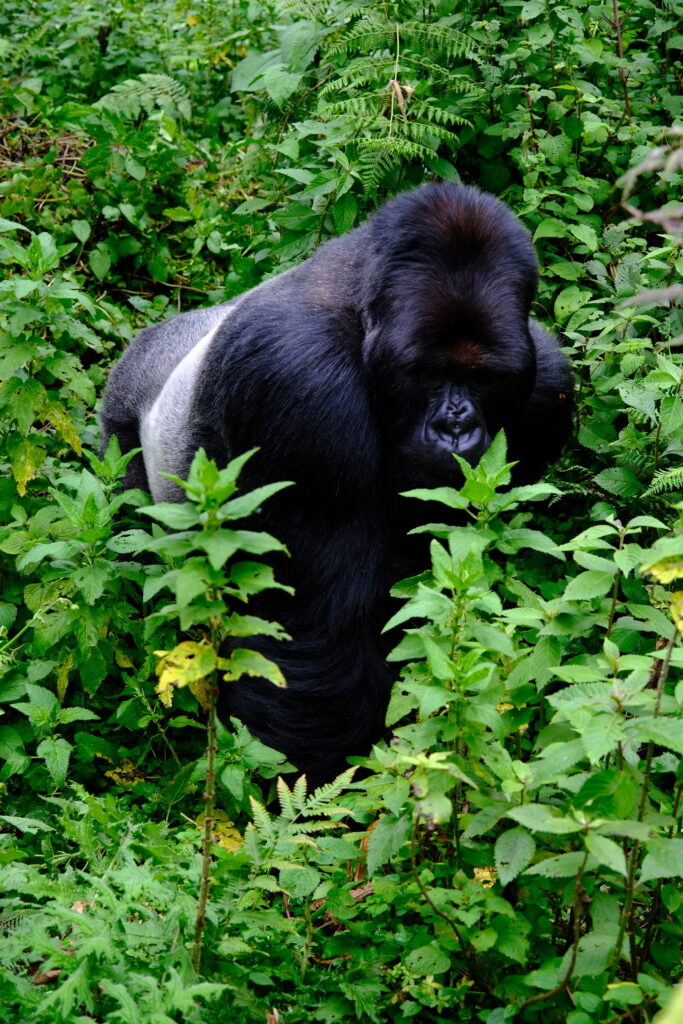
At some point the silverback stood, walked over to me, looked me straight in the eyes, and moved off. That was the moment.
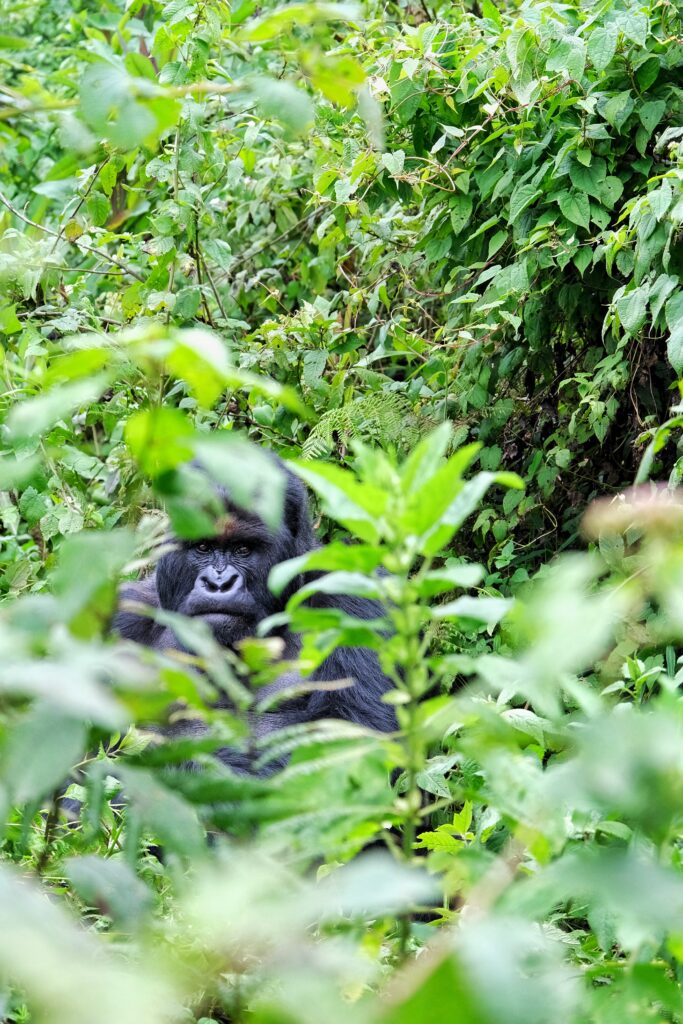
Available as a limited edition print.
All that power right in front of me, deciding I was not worth bothering with. There were babies in the group too, and the whole hour felt like being let in on something private and completely wild. I sat there thinking about the months I had spent deciding whether to spend the money, and I could not believe I had almost not come.
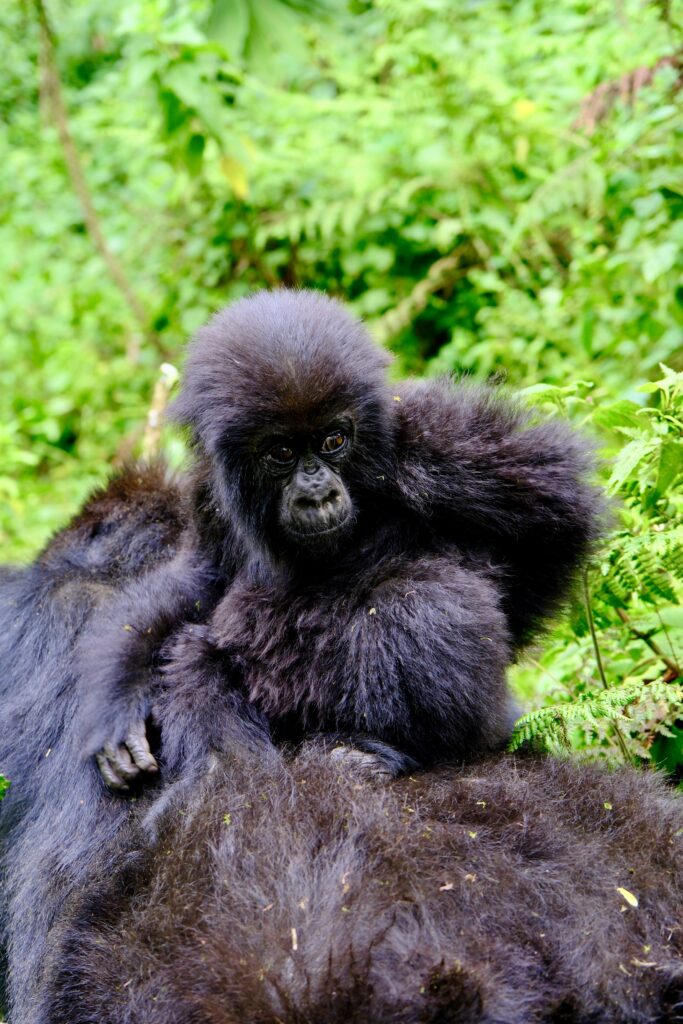
That hour is still one of the things I would do again tomorrow. I think back on it and just feel happy. So was the 1,500 dollars worth it? For me, it was.
Know before you go
The short version: it is expensive, it is early, and it is the best money I have spent on a single hour.
- Book early. The permit is 1,500 dollars per person for foreign visitors, through the Rwanda Development Board or a licensed operator. It sells out months ahead and it is not refundable if you miss your day.
- Volcanoes National Park is about a two and a half to three hour drive from Kigali, so most people sleep near the park the night before and start in the dark. We stayed at La Locanda in Ruhengeri, the town most people still call by that name even though it is officially Musanze now.
- Hire a porter at the base. It is a few dollars, it saves your legs, and it puts money straight into the local community. I did not end up needing one, but it is worth it either way. One of these porters is Marc Bizagwira, the “Okay Guy” himself.
- Minimum age is 15 and there is no upper limit, so do not let age alone put you off.
FAQ
I spent months deciding it was not, so I do not say this lightly. Yes. It is a lot of money, and it was a lot for me. The early start is real, and I woke up on the day feeling weak. Then a silverback walked up and looked me in the eye, and none of the rest of it mattered. It is still one of the things I would repeat tomorrow.
1,500 dollars per person for international visitors, and it has stayed at that price for years. It covers park entry, the guides and trackers, and one hour with a habituated family. It does not cover your porter, tips, lodging, transport or food.
The high price is deliberate. They are keeping the permit at 1,500 dollars because it limits how many people enter the park each day, which protects the gorillas. The money also pays the rangers and trackers and funds the villages around the park. It is not cheap, and it was not cheap for me, but you can see exactly where it goes.
It varies with where the family is that day. The walk is at altitude and the last stretch can mean cutting through dense forest. I did it as my first hike after tearing my ankle ligaments earlier that year, and found it lighter than I feared, though I also had a kind day. Hire a porter and take it slow. You can also ask to be put in an easier group, since they sort trekkers roughly by fitness.
You should aim for the dry seasons, June to September and December to February. I went in the first week of June, right at the start of the dry season, and got mild, sunny weather. It is the most reliable window, which is also why it is the busiest, so book early.
One hour, strictly, from the moment your group reaches the family. It is short. It does not feel short.
Yes, and the proof is in the numbers. Mountain gorillas are the only great ape whose population is growing, and that recovery is funded largely by permit revenue. It is one of the few places in the world where visiting a species directly helps it survive.